Total: $0.00
Taxes and shipping calculated at checkout
Water treatment designed around your water quality, operating demands, equipment, and business needs.
Commercial water treatment requires more than a one-size-fits-all system. Freedom Water Systems designs filtration and treatment solutions based on your water source, water quality, flow requirements, equipment, and day-to-day operation.

In a commercial environment, water can affect far more than drinking quality. It can influence equipment, scale buildup, cleaning, ice, beverages, food preparation, and the consistency of day-to-day operations.
The right commercial water filtration system starts with understanding how the water is being used, what is in it, and what the business needs the system to accomplish.
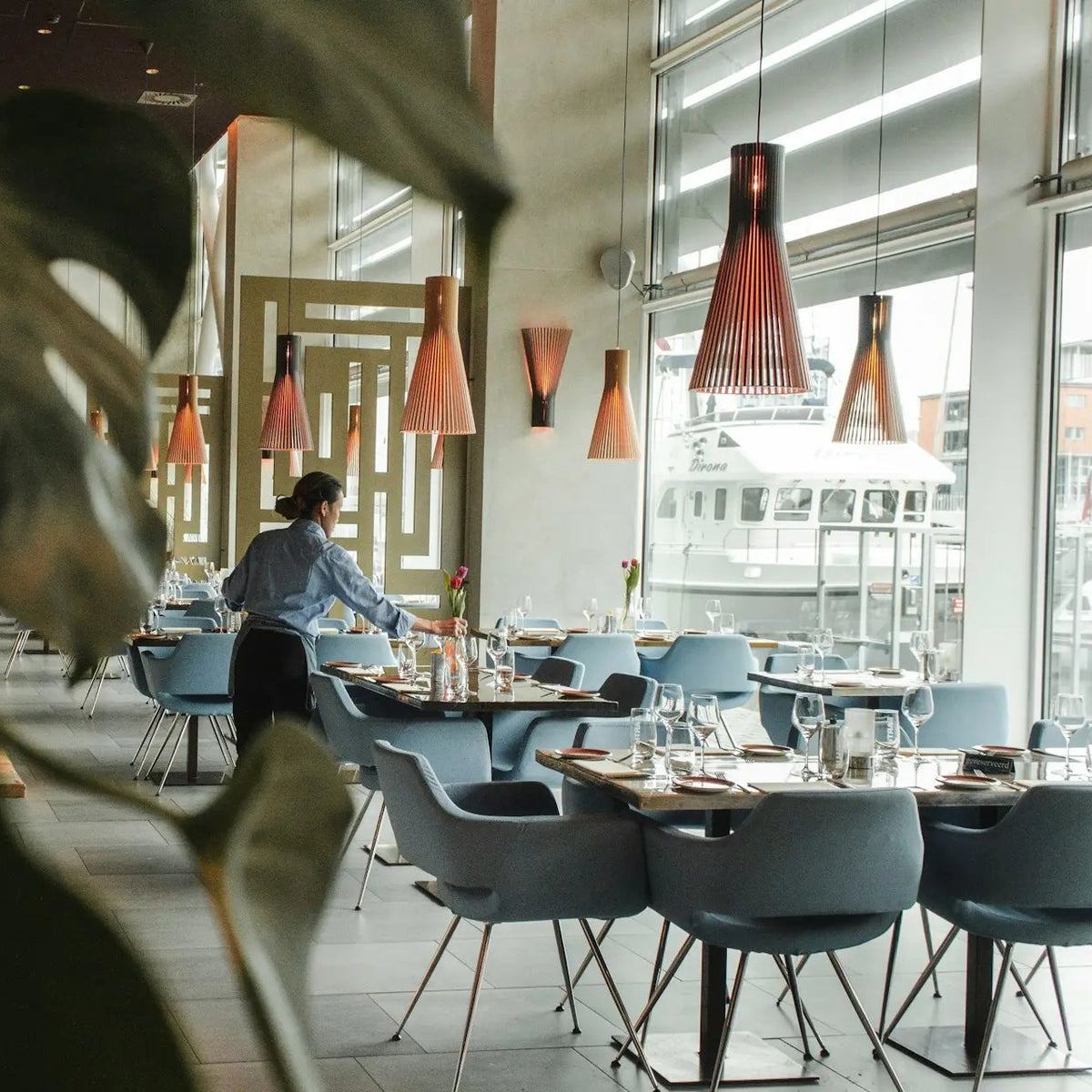
Restaurants depend on water throughout the operation, from food preparation and ice to beverages, dishwashing, steam equipment, fixtures, and cleaning.
Poor water quality can show up in ways that are easy to overlook, including scale buildup, spotting, unpleasant taste or odor, inconsistent ice, and added stress on equipment.
A properly selected restaurant water filtration system can help address the specific water conditions affecting the operation while supporting consistent water quality across multiple uses.
At a high-volume Las Vegas teppanyaki and sushi restaurant, hard water was affecting more than fixtures. Heavy scale and spotting showed up on equipment and dishwashing surfaces, while water quality also affected rice, soups, ice, and beverages.
After installing a Freedom Water Systems treatment solution, the owner described the difference as “night and day.” Rice texture improved, soups became more consistent, ice changed from cloudy to clear, beverages tasted cleaner, and the scale and spotting stopped. More than four years later, the system continues to perform consistently with maintenance described as “practically hands-off.”

Commercial water treatment should solve real operational problems, not just improve how the water tastes. The right system can help protect equipment, improve water quality, and support more consistent day-to-day performance.
Help reduce scale, sediment, and other water conditions that can affect commercial equipment, fixtures, plumbing, and appliances.
Address the specific concerns affecting your operation, including chlorine, chloramine, PFAS, metals, hardness, sediment, taste, and odor.
Choose a system sized for your water demand, flow requirements, equipment, and the way your business uses water every day.

For one Las Vegas teppanyaki and sushi restaurant, hard water was creating problems throughout the operation. Heavy scale affected equipment, fixtures, and dishwashing, while water quality also showed up in food preparation, ice, and beverages.
After the restaurant installed a Freedom Water Systems treatment solution, the difference was immediate. The owner described the change as “night and day.” Rice texture improved, soups tasted better and more consistent, ice became clear instead of cloudy, beverages tasted cleaner, and the scale and spotting stopped.
More than four years later, the system continues to deliver consistent results with maintenance the owner describes as “practically hands-off.”
A commercial water filtration system should be selected around the application, not chosen from a generic checklist.
Freedom Water Systems considers the water source, incoming water quality, contaminants or treatment concerns, peak flow, daily demand, equipment, and maintenance expectations before recommending a solution.
Depending on the application, treatment may include filtration, conditioning, reverse osmosis, specialty media, or a combination of technologies designed to work together.
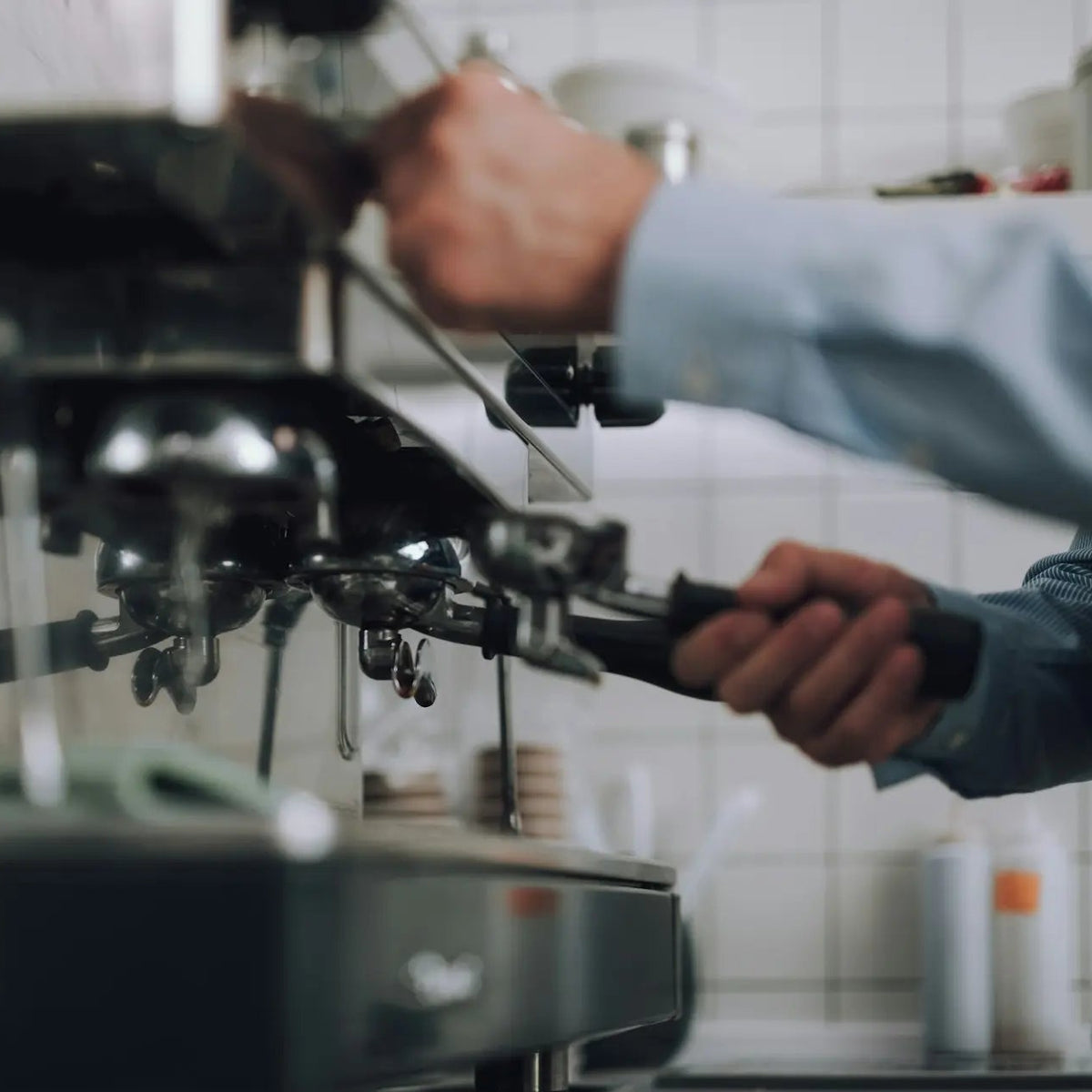
A commercial water filtration system is designed to treat water for a business, facility, or other high-use application. Depending on the water quality and treatment goals, the system may address concerns such as sediment, chlorine, chloramine, hardness, PFAS, metals, taste, odor, or other contaminants.
Commercial systems are typically selected around higher flow rates, greater daily water demand, equipment requirements, and the specific ways water is used within the operation. System sizing and treatment design should reflect both the incoming water quality and the demands of the business.
The right restaurant water filtration system depends on the source water, water quality, daily demand, equipment, and the specific concerns affecting the operation. Treatment may be used for food preparation, ice, beverages, dishwashing, steam equipment, fixtures, scale management, and other restaurant applications.
Yes, when the system is designed to address the minerals or water conditions contributing to scale. Depending on the application, treatment may include filtration, conditioning, softening, or a combination of technologies selected for the water and equipment involved.
Commercial water filtration systems should be sized using factors such as peak flow rate, daily water demand, source water quality, treatment goals, and the equipment or fixtures being supplied. Proper sizing helps the system handle real operating conditions.
Water testing is one of the best ways to identify the conditions a treatment system needs to address. Understanding the source water and specific water quality concerns helps guide system selection instead of relying on a one-size-fits-all recommendation.
Maintenance requirements vary by system, water quality, usage, and treatment technology. Some systems require periodic filter or media replacement, while others may need additional service based on operating conditions. Following the recommended maintenance schedule helps support consistent performance.