
Total: $0.00
Taxes and shipping calculated at checkout

If your home uses a private well, choosing the right whole house water filtration system for well water starts with knowing what is actually in your water. Iron, sulfur, sediment, manganese, hardness, bacteria, arsenic and other conditions can require very different treatment approaches.
Freedom Water Systems offers well water filtration systems designed around your actual water conditions, helping you address staining, odors, sediment, mineral buildup and other well water concerns without guessing.
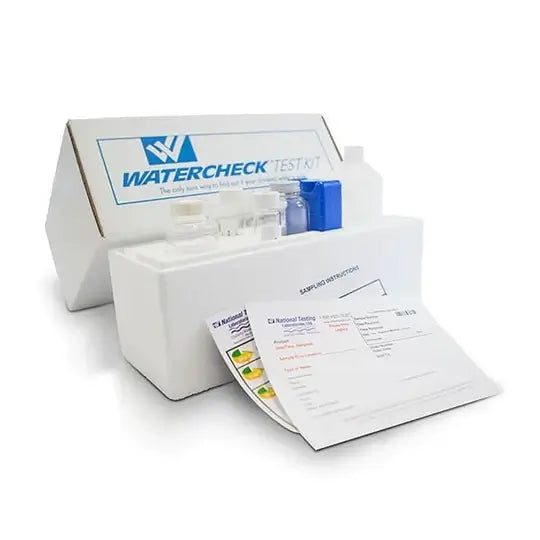
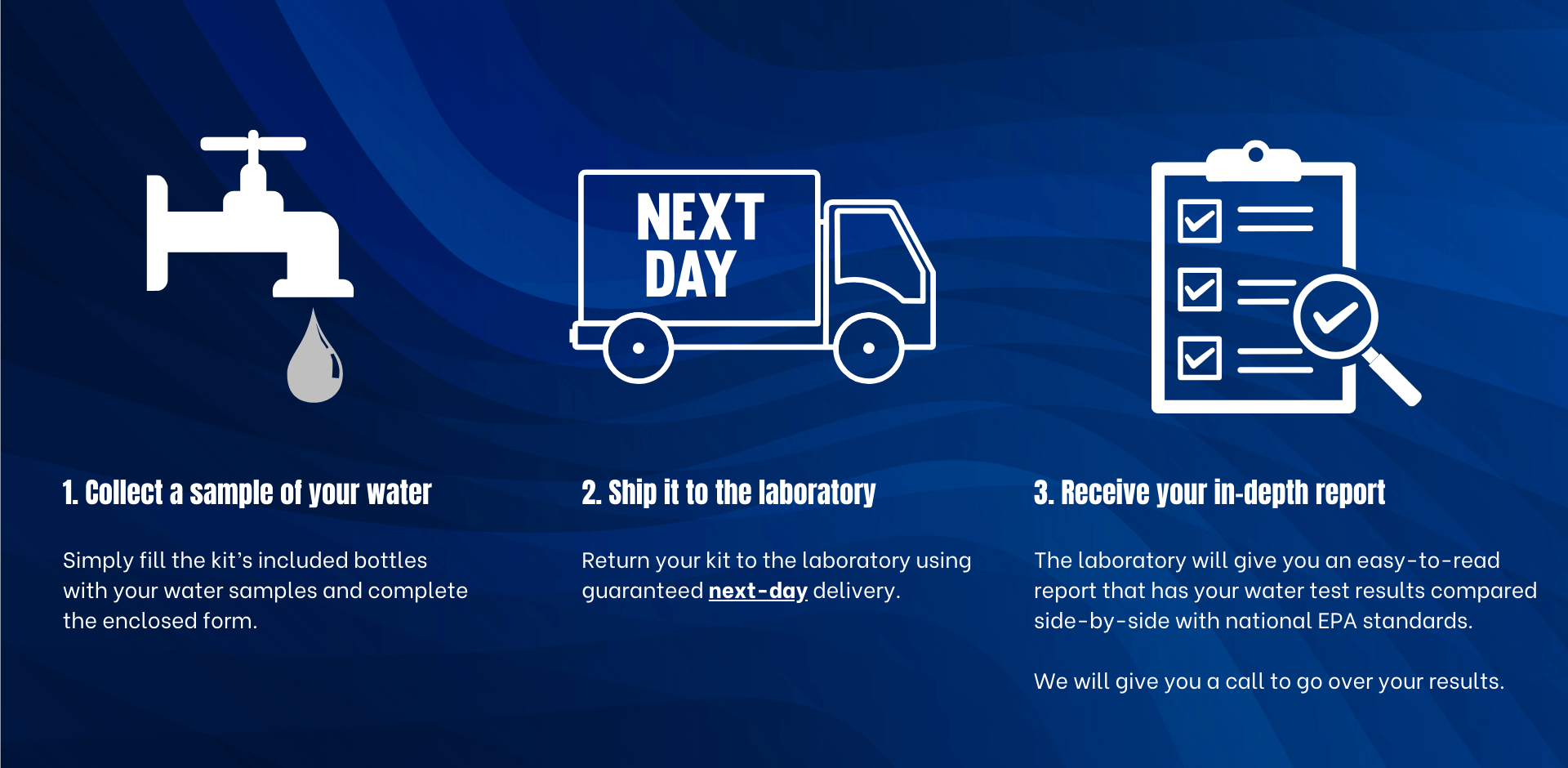
Not sure where to start? Begin with a water testing kit. Once you have your results, a Freedom Water Specialist can help identify the right treatment options for your home.
Well water treatment depends on what your water test shows. For hardness, iron, manganese, tannins, and mineral buildup, the Aqua-Tech Well Series combines whole-home filtration with true water softening.
For iron, sulfur odors, and manganese, the Air Injection Well Series is designed for those common well-water problems. The Turbidity Series targets sediment, silt, suspended solids, and cloudy water, while the Arsenic Series is designed for homes where testing identifies arsenic or certain heavy metals.
Because well water conditions vary from one property to another, testing first helps match the right Freedom Water System to the contaminants actually present.


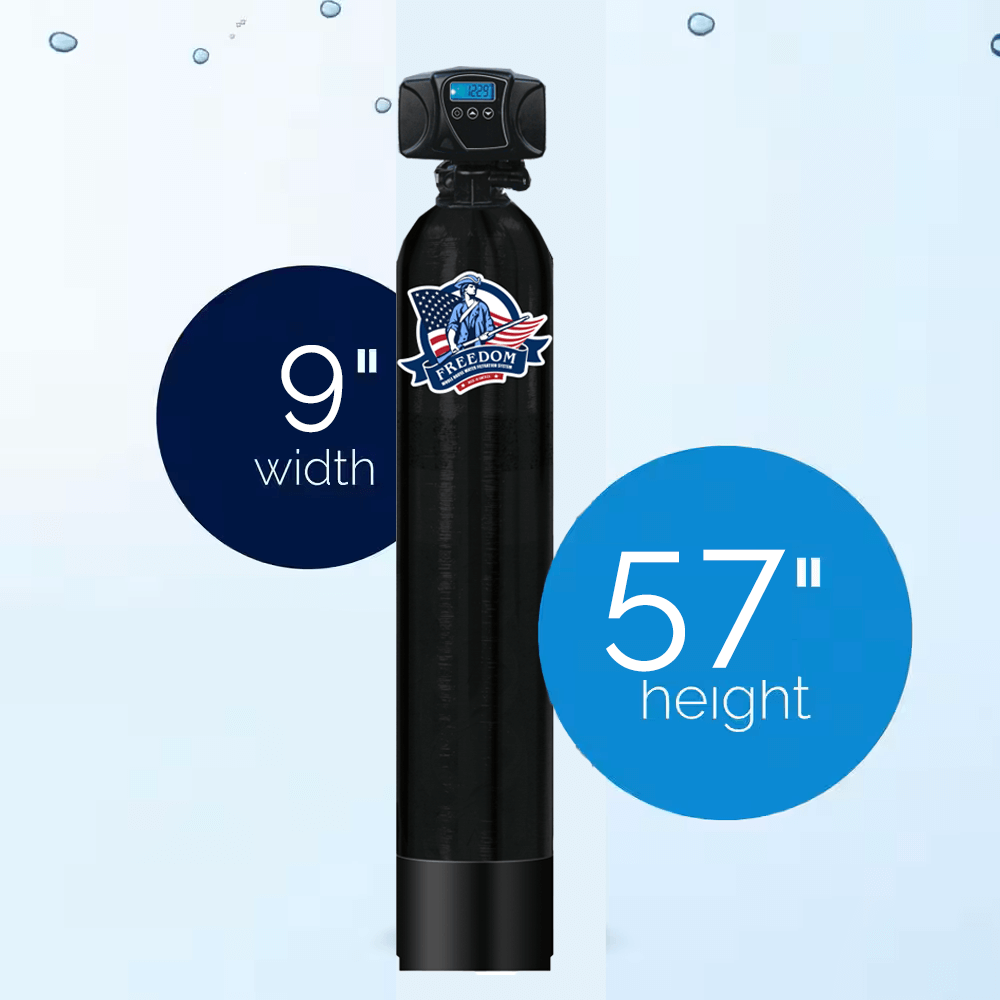


The best whole house water filtration system for well water depends on what is actually in your water. Private wells can have different issues, including iron, sulfur odor, sediment, manganese, hardness, tannins, nitrates, bacteria, or arsenic. A water test helps identify the right treatment path before choosing a system.
Yes, testing is the best place to start. Well water can vary from one property to another, even in the same area. A water test helps identify the specific issues in your well water so a Freedom Water Specialist can recommend the right filtration system for your home.
Rotten egg odor is often caused by sulfur or hydrogen sulfide in well water. The right well water filtration system may help reduce sulfur odor, but the best solution depends on your water test results and the levels present in your water.
Yes, the right system may help reduce iron in well water, which can help with orange staining on sinks, tubs, toilets, fixtures, and laundry. Testing first is important because iron levels and water chemistry can affect which system is the best fit.
Well water filtration systems can be designed to address different issues, including sediment, iron, sulfur odor, manganese, hardness, tannins, and certain contaminants. The right system depends on your water source, test results, and treatment goals.
Some well water filtration options are salt-free, while others may include softening technology depending on the water conditions. If your well water has hardness, iron, or other specific issues, a Freedom Water Specialist can help determine whether a salt-free system, softening system, or combined treatment approach is the better fit.
A whole house well water filtration system can improve water quality throughout the home, but drinking water safety depends on what is in the water and whether the system is designed to address those specific contaminants. If there are concerns about bacteria, nitrates, arsenic, or other health-related contaminants, testing is the first step.
System lifespan depends on the type of system, water conditions, household water use, installation, and maintenance needs. Some well water systems can last for many years when properly sized and installed, but water test results and system design should guide expectations.
Private well water can contain minerals, sediment, odors, microorganisms, and other contaminants that vary from one property to another. Your water test results help determine which problems need treatment and which type of well water filtration system is appropriate.
Private well water can contain minerals, sediment, odors, microorganisms, and other contaminants that vary from one property to another. Your water test results help determine which problems need treatment and which type of well water filtration system is appropriate. Review filtration performance data and contaminant reduction information.
Calcium and magnesium can cause scale buildup on fixtures, plumbing, and appliances. Depending on your water chemistry and hardness level, filtration, conditioning, or softening may be recommended.
Iron can leave orange or reddish-brown stains, while manganese may produce darker brown or black staining. Concentration, pH, and water chemistry help determine the right treatment approach.
A rotten egg smell may be associated with hydrogen sulfide or sulfur bacteria. If the odor occurs only in hot water, the water heater may also be contributing to the problem.
Sand, silt, and suspended particles can make well water cloudy and contribute to wear on plumbing, fixtures, and appliances. Proper pre-filtration can help remove these particles before additional treatment.
Private wells can be affected by bacteria or microorganisms from runoff, flooding, septic systems, or well conditions. Testing is essential, and some homes may require disinfection or specialized treatment in addition to filtration.
Nitrates and nitrites may enter groundwater from fertilizer, agriculture, septic systems, and other sources. They cannot usually be detected by sight, smell, or taste, making water testing especially important.
Naturally occurring tannins can give well water a yellow or brown tint and may affect taste. Testing can help distinguish tannins from iron, manganese, sediment, or other causes of discoloration.
Chlorine may be used to disinfect a private well or as part of a treatment system. Additional filtration can help address chlorine-related taste and odor after disinfection when appropriate.
Some private wells may contain arsenic, radon, methane, or other naturally occurring contaminants that require specific testing and specialized treatment. The correct solution depends on what is present and at what concentration.

From iron stains and sulfur odors to sediment, hardness, arsenic, and other well water concerns, the right treatment starts with knowing what is in your water. Our Water Specialists can help match your test results with the right whole-home treatment approach.


Thinking about installing a whole house water filter yourself? Here's what the job actually involves, what can make DIY reasonable, when a plumber is the better choice, and what affects installation cost.

Not every whole house water filter works the same way. Compare representative systems from Freedom Water Systems, LifeSource, Aquasana, SpringWell, Crystal Quest and iSpring by maintenance, price, filtration approach and long-term ownership.

Learn what affects whole home water filtration costs, maintenance, warranties, and system lifespan. Compare cartridge-based, salt-free, softening, well-water, fluoride, and reverse osmosis systems to understand long-term ownership costs.

Choosing a home water purifier system starts with knowing your water source, your treatment goals, and the contaminants you want to reduce. This guide walks through what to look for before you buy.

Not all whole house water filter systems are created equal. This guide breaks down what actually matters, how different systems compare, and how to choose the right solution for your home and water source.

Not sure if you need a system for city water or well water? This guide explains the key differences and helps you choose the right solution for your home.

Under-sink filters and whole house systems solve very different problems. Understanding what each one actually protects can help you choose the right solution for your home.

Not all whole house water purification systems are backed the same way. Here is where homeowners can buy systems with warranties and how to tell which coverage actually matters.

Hard water is one of the most misunderstood water problems. Learn which whole home water filtration systems actually work for hard water and how to prevent scale buildup without salt or chemicals.